Series A Fundraising: Complete Guide to Venture Capital Financing, Due Diligence, and Investment Terms (2026)

Series A represents the critical transition from seed-stage survival to growth-stage scaling. This guide covers the complete Series A fundraising process.
Series A Overview
Fundraising Fundamentals
Series A Landscape (2026):
Market Dynamics:

Total US VC Investment: $80B+/year (2024-2026 range)
Median Series A Size: $4-8M
Median Series A Valuation: $10-25M post-money

Expected Use of Funds (Typical allocation):
- Product development: 35-45%
- Sales & marketing: 25-35%
- Operations/admin: 15-25%
- Contingency/working capital: 5-10%

Example $5M raise use:
- Product team (engineering): $1.75M
- Sales/marketing/go-to-market: $1.5M
- Operations (finance, HR, legal): $0.75M
- Contingency: $0.25M

Runway Created:
- Monthly burn to achieve: $1.2M (estimated)
- $5M provides: ~4 years runway (if well-managed)
- Expectation: Profitability or next raise within 3-4 years

Investor Types:

Micro-VCs ($50M-$500M under management):
- Check sizes: $250K-$1M
- Often lead smaller Series A rounds
- More engaged mentoring
- Focus: Specific niches/geographies

Traditional VCs ($500M-$3B+ under management):
- Check sizes: $1M-$5M+
- Can lead larger Series A rounds
- Institutional backing
- Examples: Sequoia, Andreessen Horowitz, Accel

Corporate Venture Arms:
- Check sizes: Varies ($500K-$5M+)
- Strategic alignment expectations
- May involve product partnerships

Timeline Expectations:

Pitch to close: 6-9 months typical
- Month 1-2: Pitch process, warm introductions
- Month 2-4: Due diligence
- Month 4-6: Term sheet negotiation
- Month 6-9: Legal closing/documentation

Fast-tracked (exceptional deal): 3-4 months
- Strong traction
- Low legal/IP complexity
- Competitive process (multiple offers)

Slow process (complicated): 12+ months
- Novel/complex IP
- International regulatory issues
- Competitive pressure low

Valuation Benchmarks (2026):

By Maturity/Traction:
- Seed revenue ($0-$100K ARR): $5-15M valuation
- Early traction ($100K-$500K ARR): $15-40M
- Strong traction ($500K-$2M ARR): $40-100M
- Exceptional ($2M+ ARR): $100M+ (unicorn path)

Example: SaaS company
- $500K ARR (strong for Series A)
- Benchmark: 10-15x revenue multiples
- Implied valuation: $5-7.5M
- But: Market opportunity, growth rate, team drive actual valuation
- Actual Series A likely: $20-40M (expectation of 10x growth)

Capital Sources Beyond VC:

Venture debt: $500K-$2M
- Lower dilution than equity
- Repaid from future revenue/equity raise
- Cost: 8-15% interest + warrant coverage (0.5-1.5%)
- Extends runway without dilution
- Example: $1M Series A + $500K venture debt = $1.5M total available

Grants/non-dilutive funding: Up to $500K
- SBIR grants: $150K-$1M
- Industry grants/competitions
- No dilution to founders
- 6-12 month timelines
- Typical: Cover specific R&D projects

Strategic partnerships: Variable
- Customer prepayments
- Partnership revenue
- Not typical to rely on

Total Series A capital: Equity (mostly) + Debt (optional) + Grants/partnerships
The Fundraising Process
Investor Research and Outreach
Identifying Target Investors:
Investor Sourcing:

Primary Sources:
1. Warm introductions (Most effective, 40-60% response rate)
   - Board members/advisors connecting you
   - Prior investors introducing
   - Other founders referring
   - Highest quality - investors predisposed

2. Cold outreach via email/LinkedIn (10-20% response rate)
   - Personalized pitches (not blast emails)
   - To specific investment theses matching company
   - Reference partner focus areas
   - Lower conversion but accessible

3. Conferences/events (20-30% response rate)
   - Demo days (Pitch competitions)
   - Industry conferences (relevant sector events)
   - VC-specific conferences
   - Face-to-face interaction valuable

4. Venture databases
   - Crunchbase, PitchBook, AngelList
   - Research investor focus areas
   - Identify warm connections
   - Research recent investments

Investor Evaluation Framework:

Criteria for Target Investors:
✓ Check size matches needs ($1M+ for Series A lead)
✓ Geographic focus (or remote-friendly)
✓ Sector expertise (your industry/space)
✓ Stage focus (Series A emphasis, not mega-late stage)
✓ Value-add beyond capital (connections, credibility)
✓ Portfolio reputation (reference ability)
✓ Lead investor vs. follower (who'll drive round)

Red Flags:
✗ Unclear investment criteria
✗ No prior exits or portfolio companies
✗ Pressure to close quickly without due diligence
✗ Founder stories of difficult post-investment relationship
✗ Minimum ownership requirement (>20% at Series A usually)
✗ Heavy-handed board involvement expectations
✗ Bad reputation in founder community

Reference Checks:
- Contact prior portfolio founders
- Ask about: Responsiveness, board dynamics, helpful advice, fundraising support, down-round handling
- Build picture of partner relationship quality

Building Investor List:

Target List Size: 30-50 investors
- Top tier (dream investors): 10-15
- Secondary tier (good fit): 15-20
- Backup tier (fallback): 5-10

Targeting Strategy:
- Reach out in waves (not all at once)
- Wave 1: 15-20 top investors (4-week window)
- Wave 2: Additional 20-30 if needed (after feedback)
- Avoid: Blasting all at once (signals lack of targeting)

Sequencing Logic:
- Start with less-obvious investors (get feedback/practice)
- Move to tier-1 investors after refining pitch
- Leave some investors for end (backup options)
- Test messaging with friendly advisors first
Pitch and Presentation
Crafting a Winning Pitch:
Pitch Deck Structure (10-15 slides typical):

1. Cover Slide (1)
   - Company name/logo
   - One-liner: What you do (simple customer language)
   - Founder names/titles
   - Contact info

2. Problem Slide (1)
   - What problem are you solving?
   - Show data/statistics
   - Make problem visceral (why should investor care?)

   Example Problem:
   "Enterprise document management: Companies spend $15K+/year
    on outdated doc management. Process improvement is critical,
    affecting compliance, security, and productivity.
    Market size: $50B+ annual spend."

3. Solution Slide (1)
   - Your solution (simple, clear)
   - Key differentiators
   - Why you're better than alternatives

   Example:
   "DocFlow: AI-powered document management cutting
    time-to-document 80%, with enterprise security.
    Differentiator: Plug-and-play (vs. 6-month implementations)"

4. Market Size Slide (1)
   - Total addressable market (TAM)
   - Serviceable addressable market (SAM)
   - Serviceable obtainable market (SOM)

   Example:
   TAM: $50B global document management
   SAM: $8B enterprise SaaS in US
   SOM: $200M achievable (year 5 goal)

5. Business Model Slide (1)
   - How do you make money?
   - Pricing model
   - Unit economics preview

   Example:
   "SaaS model: $2K-$20K/month depending on usage
    Target: 40%+ gross margin year 1, 70%+ year 3"

6. Traction Slide (1-2)
   [Most important for investors]
   - Revenue/ARR to date
   - Customer growth
   - User metrics
   - Partnerships

   Example:
   "Current: $300K ARR, 25 customers, 40% month-over-month growth
    Trajectory: $1.2M ARR projected year-end (20-customer cohort)"

7. Team Slide (1)
   - Key team members
   - Relevant background
   - Why this team can execute

   Example:
   CEO: 10 years enterprise software, prior company sold to Google
   CTO: ML engineer from major SaaS company
   VP Sales: Former AWS account executive

8. Financials/Unit Economics (1-2)
   - Revenue model clarity
   - LTV/CAC ratio
   - Path to profitability

   Example:
   CAC: $15K (average to acquire customer)
   LTV: $120K (3-year customer value)
   LTV/CAC: 8x (excellent, >3x healthy)
   Payback: 15 months

9. Use of Funds (1)
   - How you'll use $5M
   - Hiring plan (what positions)
   - Milestones achievable

   Example:
   "Product/Engineering: $1.75M (5 engineers)
    Sales/Marketing: $1.5M (2 AEs, 1 marketing manager)
    Operations: $0.75M (CFO, HR, Finance)
    Contingency: $0.25M
    Runway: 48 months to profitability target"

10. Why Us / Competition Slide (1)
    - Why your team/product
    - Competitive landscape
    - Sustainable differentiation

    Example:
    "Proprietary ML models (18-month head start)
     Enterprise trust (partnerships with Salesforce, Microsoft)
     Market timing (AI adoption accelerating 2025-2026)"

11. Ask/Investment Summary (1)
    - Amount raising
    - Note on led vs. oversubscribed
    - Key milestones post-investment

    Example:
    "Raising $5M Series A
    $2M already committed, seeking lead investor
    Milestones: $750K ARR by month 18, profitability by month 36"

Pitch Deck Design:
- Clean, professional template (not cluttered)
- Consistent branding
- Data visualization (not walls of text)
- 10-15 slides (not 50)
- Speaking notes (for you, not on slides)

Elevator Pitch (30 seconds):
Develop concise 30-second version:
"We're building the AI-powered document management system
 for enterprise. Companies spend $15K+ annually, but process
 is broken. We've got 25 customers today paying $2K-$20K/month,
 growing 40% month-over-month. We're raising $5M to scale the
 sales team and hit profitability in 36 months."

Pitch Delivery Tips:
✓ Practice extensively (20+ times before pitching VCs)
✓ Know deck cold (practice without slides)
✓ Tell story, not lecture
✓ Emphasize traction (investors believe metrics)
✓ Be authentic (VCs smell BS)
✓ Ask for money (be direct about ask)
✓ Expect pushback (don't be defensive)
✓ Keep meetings to 60 minutes (respect time)
Due Diligence Process
What VCs Will Investigate
Comprehensive Due Diligence:
Financial Due Diligence:

What VCs Verify:
1. Historical financials
   - Revenue accuracy (contracts, receipts)
   - Expense tracking (real costs)
   - Burn rate calculation
   - Cash runway

2. Financial model
   - Assumptions documented
   - Revenue projections conservative
   - Expense forecasts realistic
   - Path to profitability clear

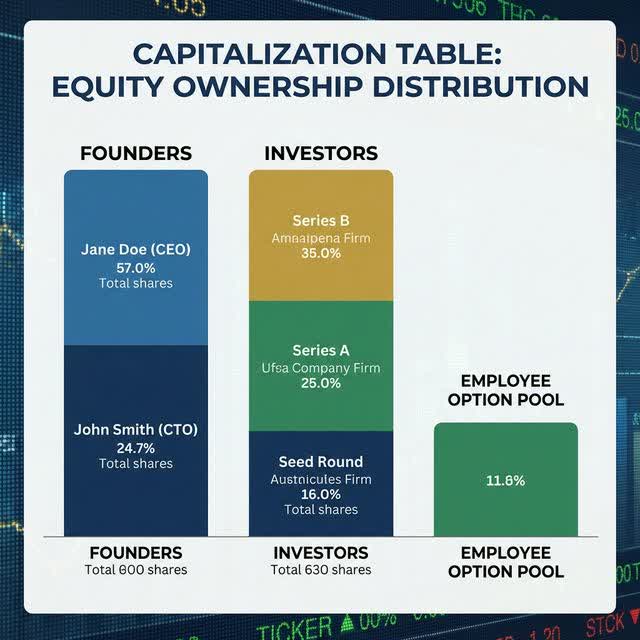
3. Cap table accuracy (see our [comprehensive cap table management guide](/2026-02-19-cap-table-management-guide/))
   - All shares documented
   - 409A valuations current
   - No equity disputes
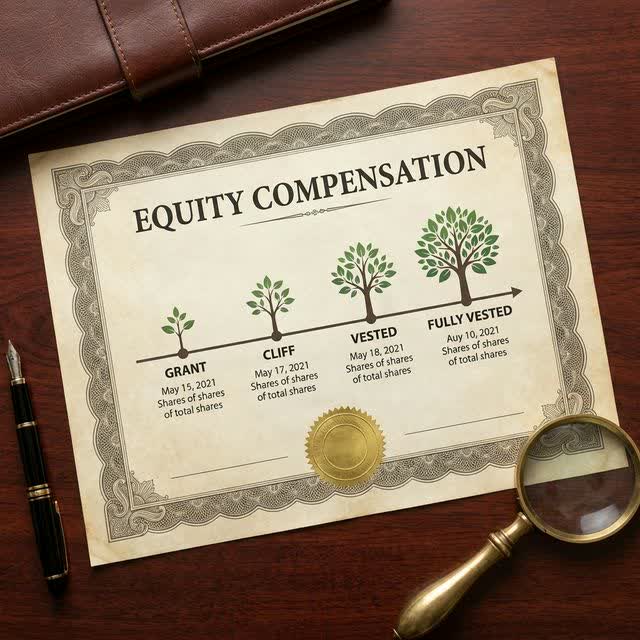
   - Fully-diluted shares correct (including [equity compensation grants](/2026-02-19-equity-compensation-stock-options-guide/))

4. Unit economics
   - CAC calculation (customer acquisition cost)
   - LTV calculation (lifetime value)
   - LTV/CAC ratio (3x+ healthy)
   - Payback period (<18 months healthy)
   - Gross margins (30%+ minimum for SaaS)

Documentation Required:
- 3 years historical P&L
- Monthly financials (last 12 months)
- Balance sheet (current)
- Cash flow statement
- Customer contracts (sample)
- Pricing/packaging documentation
- Salary schedules
- Stock option plan documentation

Red Flags:
✗ Inconsistent financial statements
✗ Unaccounted cash (missing revenue sources)
✗ Unit economics don't make sense
✗ No clear path to profitability
✗ CAC/LTV ratio < 3x (unit economics broken)

Technical Due Diligence:

What VCs Check:
1. Product
   - Functionality demonstrations
   - Tech stack evaluation
   - Scalability assessment
   - Security posture
   - IP ownership documentation
   - Patent filing strategy

2. Engineering team
   - Code review (sample)
   - Development processes
   - DevOps/deployment
   - Testing practices

3. Intellectual property
   - Founders assigned IP (written agreements)
   - No competitor/vendor IP used
   - Patent landscape reviewed
   - Trademark/branding secured
   - Code licensing reviewed (no GPL/viral licenses causing issues)

4. Data/Security
   - Data protection practices
   - Encryption standards
   - Compliance (GDPR, CCPA, HIPAA as relevant)
   - Third-party security audit
   - Data backup/disaster recovery

Documentation Required:
- IP assignment agreements (founders → company)
- Code repository access (for review)
- System architecture diagrams
- Security audit results
- Compliance certifications
- Product roadmap (3-year vision)

Legal Due Diligence:

What VCs Verify:
1. Company formation
   - Articles of incorporation
   - Bylaws
   - Good standing status
   - Board resolutions (all major decisions)

2. Equity/cap table
   - Stock records (books and records)
   - All options documented
   - Ed board resolutions
   - Founder agreements
   - Employee option grants

3. Contracts/agreements
   - Material customer contracts
   - Vendor agreements
   - Employment agreements
   - Confidentiality/IP assignment
   - Non-compete review

4. Litigation/compliance
   - No ongoing lawsuits
   - Import/export compliance
   - Tax status (current filings)
   - Regulatory compliance
   - License status (business, professional)

Documentation Required:
- Certificate of good standing
- Articles/bylaws
- Board meeting minutes (all significant decisions)
- Stock ledger (shares issued, dates)
- Cap table (as above, multiple reviews)
- Key contracts (redacted if needed)
- Employment agreements
- Option grants and plan
- Insurance policies
- Compliance documentation

Customer/Market Due Diligence:

What VCs Verify:
1. Customer validation
   - Reference calls (5-10 customers)
   - Churn rate (customer retention)
   - NPS/satisfaction data
   - Customer concentration (top 5 customers = <30% revenue)
   - Product-market fit signals

2. Market opportunity
   - TAM reassessed
   - Competitive landscape evaluated
   - Go-to-market strategy feasible
   - Sales pipeline quality

3. Management team
   - Background verification
   - Reference calls (prior employers)
   - Completeness (any critical hires missing?)
   - Founder commitment (full-time, not side projects)

Documents/Access Needed:
- Customer reference list
- Sales pipeline/opportunity stage
- Customer agreements
- NPS survey results
- Churn analysis
- Competitive analysis
- Management team backgrounds

Common Deal Killers:

Issues that end funding:
✗ Founder misrepresentation (lying about revenue, users)
✗ Co-founder disputes (pending litigation over equity)
✗ Undisclosed IP claims (prior employer claiming code ownership)
✗ Broken unit economics (path to profitability doesn't work)
✗ Massive customer concentration (one customer = 50%+ revenue)
✗ Key person risk (only founder can operate product)
✗ Regulatory red flags (unlicensed activities)
✗ Major security breach (exposed customer data)
✗ Abandoned cap table (too many disputed shareholders)
Term Sheet and Closing
Understanding Key Terms
Series A Term Sheet Fundamentals:
Term Sheet Overview:

Document: Non-binding (mostly) outline of investment terms
Parties: Investor(s), Company founders
Purpose: Align on key terms before legal documentation
Timeline: Negotiation typically 2-4 weeks

Key Sections:

1. Investment Structure
   - Amount: $5M (example)
   - Security: Series A Preferred Stock
   - Price per share: $2.00 (calculated from valuation)
   - # of shares: $5M / $2.00 = 2.5M shares
   - Investor ownership: 2.5M / (7.5M fully-diluted) = 33%

2. Valuation
   - Pre-money: $15M (implied by price)
   - Post-money: $20M ($15M + $5M raised)
   - Investor ownership: $5M / $20M = 25% post
   - Founder dilution: From ~70% (seed) → 52.5% post

3. Liquidation Preference
   - 1x non-participating preferred (standard)
   - OR: 1x participating preferred (unfavorable to founders)
   - Meaning: Investor gets $5M back before common shareholders

   1x non-participating definition:
   - In liquidity event, investor gets amount invested
   - Then pro-rata participation with common if more cash available
   - Can't double-dip (takes either pref or pro-rata, not both)

4. Anti-Dilution
   - Weighted-average (most common, founder-friendly)
   - Full ratchet (rare, founder-hostile)
   - Carve-out (for employee options issued)

5. Investor Rights
   - Board seat (investor appoints director)
   - Information rights (quarterly financials, cap table)
   - Pro-rata rights (can participate in future rounds)
   - Drag-along rights (can force minority in acquisition)
   - Anti-dilution (as above)

6. Protective Provisions
   - Investor veto on: Buying/selling company, issuing new stock,
     Changing cap table, Related party transactions, New debt
   - Prevents founders from diluting investor without approval

7. Representations and Warranties
   - Company statements about itself
   - Founder liability exposure
   - Example: "No undisclosed litigation, IP properly owned, financials accurate"

8. Conditions to Closing
   - 409A valuation completed
   - Cap table clean (no disputes)
   - No material adverse changes
   - Founder agreements signed
   - Legal documents executed

Valuation Negotiation:

Common Starting Points:
- Founder expectation: More optimistic valuation
- Investor expectation: More conservative valuation
- Gap: Often 20-40% difference initially
- Goal: Negotiate to middle ground acceptable to both

Factors Influencing Valuation:
Upside:
✓ Strong revenue traction (most important)
✓ Explosive growth rate (month-over-month)
✓ Large TAM (market opportunity)
✓ Experienced team (execute risk lower)
✓ Novel IP/technology (defensibility)
✓ Competitive process (multiple offers)

Downside:
✗ Early-stage (pre-revenue or minimal)
✗ Unknown market (unproven demand)
✗ Weak team (execution risk)
✗ Commodity product (no differentiation)
✗ Limited traction (slow growth)
✗ Competitive product (me-too risk)

Typical Valuation Ranges (2026):

Seed-Stage Pre-Series A: $3-10M
- Pre-revenue/minimal traction
- Experienced founder(s)
- Clear opportunity

Series A Strong Traction: $15-50M
- $200K-$1M ARR
- Monthly growth 20-40%
- Product-market fit signals
- Strong team

Series A Exceptional: $50M-$100M+
- $1M+ ARR
- 50%+ monthly growth
- Clear unicorn trajectory
- Multiple term sheets

Negotiating the Valuation:

Founder Strategy:
1. Research comparables
   - Similar companies raises
   - Reports from CB Insights, Crunchbase
   - Industry benchmarks

2. Build tension
   - Multiple investors interested (generate competition)
   - One term sheet increases leverage
   - Strategic alternatives (venture debt, slower growth, partnership)

3. Separate points
   - If investor firm on $20M valuation
   - Negotiate other terms more favorable
   - Lower preference (e.g., 0.75x instead of 1x)
   - Remove/limit anti-dilution
   - Pro-rata rights (founder friendly)

4. Walk away option
   - Willingness to turn down bad deal
   - Signals strength in negotiation
   - Venture debt + slower growth alternative
   - Avoid desperation

Investor Negotiation Points:

Typical Investor Asks:
- Board seat (standard)
- Information rights (standard)
- Pro-rata rights (standard)
- Anti-dilution (standard)
- Liquidation preference (1x standard, 1x non-part standard)
- Key-person insurance (for founder retention)
- Founder vesting acceleration (cliff completion triggers bonus equity)

Avoid Accepting:
✗ Liquidation preference > 1x (participating is worse)
✗ Full-ratchet anti-dilution (weighted-average standard)
✗ No pro-rata founder participation in future rounds
✗ Drag-along rights (force sale of company) without investor drag-along reciprocal
✗ Excessive protective provisions (investor veto on minor decisions)
✗ Minimum ownership requirements (>15% typically unreasonable)
✗ Redemption rights (investor can force buyback later)
Post-Series A: Execution and Growth
Post-Funding Priorities:
First 30 Days Post-Close:

Priority 1: Capitalize on momentum
- Announce funding (press release, social media)
- Customer communications (new product roadmap)
- Team announcement (new hires planned)
- Build confidence (seed/Series A investors, customers)

Priority 2: Hire aggressively
- Fill critical roles planned (sales, engineering)
- Timing: Market opportunity exists now
- Speed: Hires can impact year-end targets
- Quality: Don't drop bar (hiring best matters)

Priority 3: Monthly board meetings
- First board meeting within 20 days
- Set cadence (monthly typical)
- Prepare materials (dashboard, challenges, asks)
- Establish rituals (executive updates, metrics review)

Metrics to Track (Board Dashboard):

Financial:
- Monthly recurring revenue (MRR) / Annual recurring revenue (ARR)
- Monthly growth rate
- Burn rate
- Cash runway
- CAC (customer acquisition cost)
- LTV (lifetime value)
- Gross margin

Operational:
- Active customers (count)
- Churn rate (monthly)
- Sales pipeline ($ value, conversion)
- Headcount (plan vs. actual)
- Product development progress (features shipped)
- Key partnership milestones

Strategic:
- Competitive wins (vs. whom, why)
- Market expansion (new segments, geographies)
- Product-market fit evidence
- Path to Series B clarity (18-month outlook)

Board Priorities (Year 1):

Targets for Board Success:
- Revenue: 3-5x ARR growth (from Series A close)
- Growth rate: Maintain 20-30% month-over-month
- Unit economics: Improve CAC/LTV ratio
- Hiring: Complete hiring plan (or >80% of plan)
- Product: Ship major product roadmap items
- Market: Establish category leadership (in segment)

Milestones to Hit:
- Month 6: Halfway to year revenue target
- Month 12: Hit $X ARR target (agreed pre-funding)
- Month 18: Be prepared to raise Series B
- Month 24: Show path to profitability or massive growth opportunity

Series B Preparation (Months 12-18):

Parallel to Execution:
- Continue business building (don't stall for fundraising)
- Begin investor research (12-18 months before Series B desired)
- Prepare metrics for Series B (run clean financials)
- Team building (add board-caliber executives for Series B)

Series B Expectations:
- Revenue: $3-5M+ ARR (benchmark)
- Growth: 15-25% monthly growth
- Unit economics: Proven (CAC/LTV > 3x, efficient growth)
- Team: VP-caliber in major functions
- Product: Clear market leadership in segment
- Traction: Clear path to Series C/IPO
Conclusion
Series A fundraising is a critical milestone requiring careful planning, diligent execution, and negotiation skills. Key success factors:
- Build genuine traction - Revenue and growth metrics drive valuation
- Prepare thoroughly - Due diligence readiness prevents deal delays
- Know your numbers - Valuation range, unit economics, financials
- Build relationships - Warm introductions and investor fit matter
- Negotiate from strength - Competitive process, alternatives strengthen your position
- Maintain focus post-funding - Execution matters more than capital
- Plan for Series B - Build metrics from day 1 of Series A capital use
Frequently Asked Questions
Q: Should I raise Series A now or wait for more traction?
A: General rule: Raise when you have 6-12 months of runway remaining AND clear evidence of traction (revenue, growth, or user adoption). Waiting for “perfect” metrics delays capital access; raising too early wastes time on fundraising with weak metrics. Optimal: 3-6 months revenue history showing 20%+ monthly growth, 500+ users, or $5-10K MRR.
Q: What’s the typical VC due diligence process and timeline?
A: Due diligence typically follows this timeline: (1) Initial term sheet offer (non-binding); (2) Technical/legal due diligence (2-3 weeks)—investor hires lawyers/accountants to review; (3) Commercial due diligence (2-4 weeks)—investor calls customers, reference checks; (4) Final sign-offs (1-2 weeks); (5) Legal documentation and closing (2-4 weeks). Total typically 4-8 weeks from LOI to funding.
Q: What happens if I get multiple term sheets?
A: Multiple term sheets create competitive tension, strengthening your negotiating position. You can: (1) Use best offer to improve terms with other investors; (2) Ask investors for “final offers” within deadline; (3) Negotiate sequentially downward through offers; (4) Ask investors if they’ll match better terms. Typical practice: Tell investors you’re in process with others, create slight urgency, negotiate best final terms, then pick best investor relationship (not always highest valuation).
Q: Should I hire a lawyer before approaching Series A investors?
A: Yes. Hire venture-stage corporate counsel (law firm with VC experience) to review cap table, incorporation docs, and advise on fundraising process. Cost: $5-15K for setup and early guidance. This resolves cap table issues, IP ownership, and securities law compliance BEFORE investor due diligence. Lawyer selected also handles legal documentation during closing ($15-30K additional).
Q: What if I disagree with investor projections expectations?
A: Your 3-5 year projections should be credible but optimistic (30-50% growth in early years realistic for high-growth startups). If investor questions your projections as unrealistic: (1) Justify with customer pipeline data; (2) Show historical growth rates; (3) Break down customer acquisition and expansion assumptions. Conservative projections are safer; overly aggressive projections suggest founder doesn’t understand market realities.
Q: Can I negotiate employee equity pool size with Series A investors?
A: Yes, but expect pushback. Typical: 10-20% fully-diluted equity reserved for options. Investors want room for future hiring without excessive dilution. Negotiate: (1) New employee pool size (5-10k shares typical for small company); (2) Vesting schedule (4-year standard with 1-year cliff); (3) Exercise price (strike price at ISO tax-favorable levels). If you need larger pool for headcount plans, justify with hiring roadmap.
Q: What metrics should I track for Series A due diligence?
A: Essential metrics: Monthly revenue (and trend), MAU/DAU (monthly/daily active users), NRR (net revenue retention), churn rate, CAC (customer acquisition cost), LTV (lifetime value), burn rate, gross margin (if applicable). These metrics demonstrate product-market fit and efficient growth. Most investors request 4-year projections; prepare multiple scenarios (base case, upside, downside).
Q: How do liquidation preferences work if company is acquired?
A: Liquidation preference determines payout order in acquisition. Standard: Series A investors get 1x preference (get money back before common stockholders). Example: $10M acquisition, $5M Series A preferred with 1x preference = Series A investors paid $5M, common shareholders split remaining $5M. Non-participating preference (standard) means investors don’t also participate in remaining proceeds after 1x returned.
Q: What’s the difference between SAFE notes and Series A priced rounds?
A: SAFE (Simple Agreement for Future Equity) is a short-term note converting to equity in a future priced round (no interest/maturity date). SAFE is quicker, simpler, but doesn’t establish valuation or investor rights. Series A is priced round establishing valuation, governance rights, liquidation preferences. SAFE typically used for seed rounds; Series A for post-product-market-fit companies. SAFE delays valuation; Series A establishes it.
Q: Can I negotiate the board seat with my Series A investor?
A: Yes. Board composition is standard negotiation point. Typical: 3-person board (founder as CEO/chair, non-founder investor director, independent director). Investor expects board seat; you negotiate: (1) Which investor gets seat (lead investor standard); (2) Board size (3 vs. 5 seat boards); (3) Whether investor forced to have independent director. Board seat gives investor influence but also liability/fiduciary duties.
Resources
- Crunchbase: Investor database and funding news
- PitchBook: VC/private equity term sheet data and market trends
- AngelList: Investors, job board, cap table tools
- NVCA Term Sheet: Standard Series A term sheet template
- Ledgy: Cap table and documentation management
- YCombinator Resources: Startup resources and guides
- Venture Capital Law: VC law resources and templates
Related Articles
- Series A Term Sheet Negotiation: Key Clauses Founders Must Understand
- Venture Capital Term Sheets: Complete Guide to Key Terms, Negotiation Tactics, and Founder Protection (2026)
- Private Equity vs Venture Capital: How They Actually Differ
- Venture Debt Explained: When and How Startups Should Use It
- How to Prepare for a Series B Financial Audit: The Founder’s Checklist